Introduction to Screenshot Software
In today’s fast-paced digital landscape, effective visual communication is paramount. Whether you’re a developer documenting code, a designer sharing mockups, or an educator illustrating complex concepts, having the right tools at your disposal can significantly enhance your productivity. This is where screenshot software becomes indispensable. With capabilities that extend beyond mere screen captures, modern screenshot tools like Snipaste offer an array of features designed to streamline your workflow and improve collaboration. When exploring options, 截图软件 provides comprehensive insights into cutting-edge screenshot solutions that redefine how we capture and annotate our screens.
What is Screenshot Software?
Screenshot software is a specialized application designed to capture, edit, and manage visual content on your screen. Unlike basic screenshot functions built into operating systems, dedicated screenshot tools provide enhanced functionalities, including advanced editing, annotation, and sharing features. Users can capture full screens, specific windows, or selected areas, making it highly versatile for various professional needs.
Importance of Screenshot Software in Design
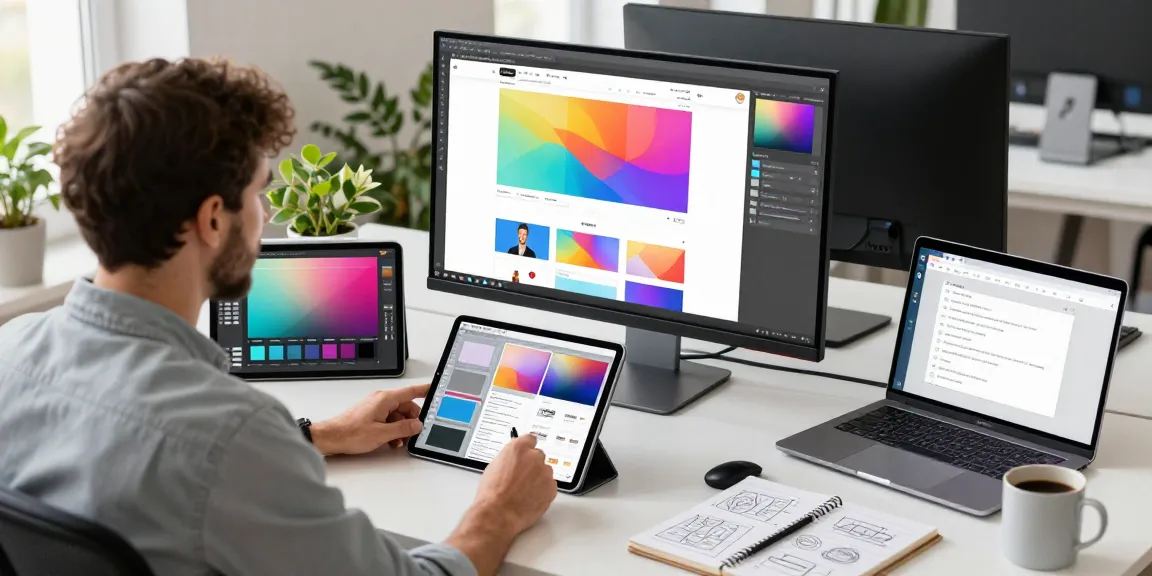
In the realm of design, the ability to quickly capture and annotate visuals can make a significant difference. Designers often need to share concepts, gather feedback, or provide instructions, which requires clear visual communication. Screenshot software simplifies this process by allowing users to highlight specific elements, add comments, or modify captures to convey ideas effectively. By using advanced features, teams can reduce misunderstandings and enhance collaboration.
Overview of Snipaste and Its Unique Features
Snipaste stands out in the crowded market of screenshot tools due to its unique offerings. It combines traditional screenshot capabilities with innovative features like smart UI element detection and the ability to “pin” screenshots to the desktop for easy reference. Additionally, its offline OCR functionality allows users to extract text from images without an internet connection, ensuring privacy and security. These features make Snipaste a comprehensive solution for both individual users and teams.
Core Features of Modern Screenshot Software
Advanced Annotation Tools for Effective Communication
Annotation tools are essential for enhancing communication through visuals. Snipaste offers a robust suite of annotation features, including shapes, arrows, text boxes, and highlighting tools. These allow users to emphasize important details, draw attention to specific areas, and provide context to their captures. By facilitating clearer communication, these tools help teams collaborate more efficiently, ensuring that everyone is on the same page.
Offline OCR Capabilities for Enhanced Privacy
The ability to perform Optical Character Recognition (OCR) offline is a game-changer for privacy-conscious users. Snipaste’s OCR can extract text from images quickly and accurately without needing internet connectivity. This feature is particularly beneficial for professionals handling sensitive information, as it ensures that data remains secure while enabling effective text extraction for further use.
Multiscreen Support and High-DPI Adaptation
As work environments evolve, many professionals now utilize multiple monitors and high-DPI displays. Snipaste addresses these needs by providing seamless multiscreen support, allowing users to capture content across different screens effortlessly. Its high-DPI adaptability ensures that images retain clarity and precision, which is crucial for tasks requiring detailed visuals, such as graphic design and software development.
Best Practices for Utilizing Screenshot Software
Optimizing Workflow with Snipaste
To maximize the benefits of Snipaste, users should consider integrating it into their daily workflows. Setting up customizable hotkeys can speed up the screenshot process, allowing users to capture images and annotate them instantly. For teams, establishing clear guidelines on how to utilize Snipaste for documentation and feedback can lead to more productive collaboration sessions.
Tips for Effective Screenshot and Annotation Techniques
Effective screenshotting requires a strategic approach. Here are some tips to enhance your captures:
- Focus on Clarity: Ensure that the area you capture is not cluttered with unnecessary information.
- Use Annotations Wisely: Highlight key elements but avoid over-annotating to prevent confusion.
- Consistent Style: Stick to a consistent style for annotations to maintain professionalism across team communications.
Common Challenges and Solutions in Screen Documentation
Documenting screens can come with its challenges. Common issues include capturing the wrong content or failing to provide enough context. To overcome these hurdles:
- Prepare Ahead: Have a clear understanding of what needs to be captured before taking screenshots.
- Review Before Sharing: Always double-check your annotations and captures to ensure they meet the intended purpose.
- Seek Feedback: Encourage team members to provide input on your captures to ensure clarity and effectiveness.
Future Trends in Screenshot Software for 2026
Integration of AI for Automatic Tagging and Editing
The future of screenshot software is likely to be heavily influenced by advancements in artificial intelligence. Next-generation tools may include features that automatically tag and categorize screenshots based on their content. This would not only save time but also enhance organization, allowing users to retrieve and share relevant visuals quickly.
Increased Cloud-Based Collaboration Features
As remote work becomes more common, the demand for cloud-based collaboration features in screenshot software will rise. Future tools are expected to offer seamless integration with cloud storage solutions, enabling users to share and collaborate on captures easily. Features like real-time editing and shared annotations could revolutionize how teams interact visually.
Emerging Technologies Influencing Screenshot Software
The evolution of screenshot software will also be shaped by other emerging technologies. For instance, augmented reality (AR) could play a role in developing tools that allow users to capture and annotate real-world environments. This innovation would particularly benefit fields such as architecture and education, where context is crucial.
Frequently Asked Questions about Screenshot Software
What are the advantages of using screenshot software?
Screenshot software offers several benefits, including the ability to capture high-quality images, annotate them for clarity, and share them effortlessly with others. This functionality can streamline communication, enhance documentation processes, and improve collaboration across teams.
Can screenshot software help in team collaboration?
Absolutely! Screenshot software facilitates clearer communication among team members by providing visual references. It allows users to highlight specific issues, provide feedback, and share insights, ultimately leading to better collaborative outcomes.
Is Snipaste available on multiple platforms?
Yes, Snipaste is compatible with various operating systems, including Windows, macOS, and Linux, making it a versatile choice for users regardless of their preferred platform.
How secure is the offline OCR feature?
Snipaste’s offline OCR feature is designed with user privacy in mind. Since it operates without an internet connection, users can extract text from images without the risk of sending sensitive information over the internet, ensuring privacy and security.
What’s the best way to share screenshots effectively?
The best way to share screenshots is to combine them with clear annotations and context. Providing additional information, such as what the screenshot represents or why it was captured, helps others understand the content without confusion. Using a shared platform, such as a project management tool, can further streamline the sharing process.