
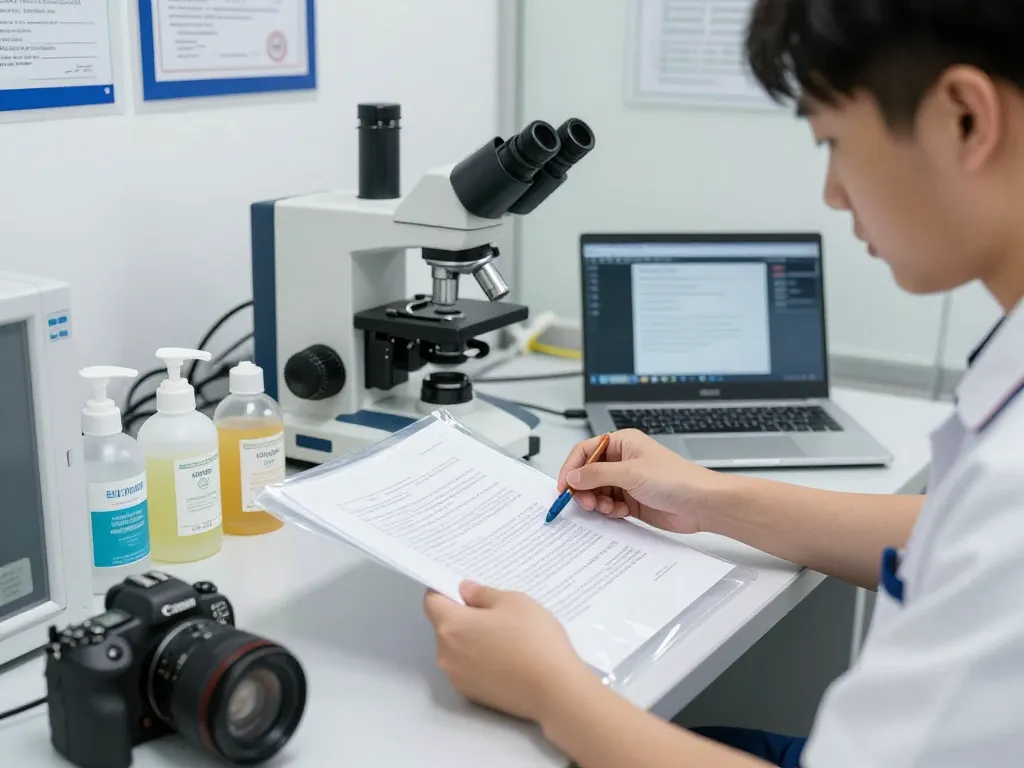
Understanding the Importance of Safe Document Plastic Removal
When it comes to preserving important documents, the methods used to remove plastic lamination can significantly impact their integrity. Many individuals think that simply peeling back the plastic is sufficient, leading to unintended damage to the underlying paper. This article explores the best practices for cách gỡ giấy đã ép plastic safely and effectively, ensuring that crucial documents remain intact.
Why Proper Techniques Matter for Sensitive Papers
Documents such as certificates, identification cards, and legal papers often carry significant value. Improperly removing plastic can lead to irreversible damage, such as tears, smudges, or the complete loss of important information. Understanding the materials involved and the proper techniques for removal can help prevent these issues.
Common Mistakes During Plastic Removal
- Using excessive force: Many individuals think that pulling harder will yield better results. However, this can lead to tearing the paper.
- Employing heat without caution: Applying heat to loosen the plastic can cause the adhesive to bind more firmly to the paper.
- Using inappropriate tools: Items such as knives or scissors can directly damage the document during removal.
Key Factors Affecting Document Integrity
The effectiveness of plastic removal largely depends on several factors, including:
- The type of adhesive used in the lamination process.
- The age of the laminate, as older adhesives can degrade and become difficult to work with.
- The nature of the paper itself, as different papers respond uniquely to removal techniques.
Manual Techniques for Cách Gỡ Giấy Đã Ép Plastic
Many people prefer manual techniques for plastic removal as they can be gentler on documents. However, these methods require patience and a steady hand.
Step-by-Step Guide to Hand Removal Methods
- Start at a corner of the document and gently peel back the plastic, taking great care not to pull too hard.
- Use your fingernail or a plastic scraper to work the edge loose if the plastic does not come off easily.
- Slowly continue to peel back the plastic, moving across the document gradually.
- If resistance is met, stop, and assess whether the adhesive has bonded too tightly with the paper.
Tools and Materials Required for Manual Techniques
The right tools can make a significant difference. Essential items include:
- Plastic scraper: A flexible tool that can help lift corners without risking damage.
- Soft cloth: Useful for wiping away any residue left behind after the plastic is removed.
- Scissors: Only if absolutely necessary and used with extreme caution.
When to Use Manual Methods Over Chemical Solutions
Manual methods are preferable for documents with delicate paper or valuable historical significance. If the document is particularly fragile, a hands-on approach can offer more control and reduce the risk of damage compared to chemical methods.
Heating Techniques: Pros and Cons
Heat can be an effective tool for removing plastic lamination, but it must be used judiciously.
How Heat Affects Plastic Sealants and Paper
Applying heat can soften the adhesive, making it easier to peel away the plastic. However, excessive heat can lead to:
- The paper warping or burning if not properly monitored.
- The ink on printed materials running or smudging.
Safely Implementing Heat in Document Recovery
If you choose to use heat, a hairdryer set to a low setting is generally safer. Maintain a safe distance from the document, moving the dryer continuously to avoid concentrated hot spots.
Alternative Heating Tools for Effective Results
Other methods include:
- Heat gun: Use with extreme caution, as these can reach very high temperatures quickly.
- Warm water bath: Submerge the document in a shallow dish of warm water to loosen adhesives, ensuring the paper itself is not soaked.
Chemical Solutions: Innovative Approaches
Chemical methods can provide a more efficient means of removing plastic lamination but come with their own set of challenges.
Understanding Chemical Removal Agents
There are specialized solvents designed to weaken the adhesive without harming the paper. Always test on a small, inconspicuous area first.
Application Tips for Maximum Effectiveness
To maximize the efficiency of chemical agents, apply them sparingly using a cotton swab to control the amount. Allow the agent to sit for a short period to penetrate the adhesive before attempting to remove the plastic.
Safety Precautions When Using Chemicals
- Work in a well-ventilated area to avoid inhaling fumes.
- Wear gloves to protect your hands from irritation.
- Keep chemicals away from children and pets.
Long-term Document Preservation Strategies
Once the plastic has been successfully removed, it’s essential to consider how to keep documents safe in the future.
Best Practices for Keeping Documents Safe Post-Recovery
- Store in a climate-controlled environment: Temperature and humidity can affect paper quality.
- Use archival-quality storage: Employ acid-free folders and boxes for long-term storage.
Regular Maintenance to Prevent Damage
Conduct routine checks on stored documents to ensure they remain free from moisture and pests.
Future Trends in Document Preservation Technology
Advancements in technology are providing new methods for digitizing and preserving physical documents, which can help reduce the wear and tear on original papers. Techniques like infrared scanning and environmental-controlled storage are becoming more common in professional settings.
What are the safest methods for removing plastic from documents?
Using a combination of gentle manual techniques and specialized chemical agents often yields the best results without compromising document integrity.
How can I prevent damage while using heat to remove plastic?
Always keep the heat source at a safe distance and use a low setting to control how much heat is applied.
What should I do if my document gets damaged during removal?
If damage occurs, consult a professional document restoration service to evaluate repair options.
Are chemical solutions safe for all types of documents?
No, it is crucial to test any chemical solution on a small area first, as some papers and inks can react negatively.
How do I choose the best service for document plastic removal?
Seek out services with a proven track record, positive reviews, and a focus on document preservation to ensure the best care for your important papers.