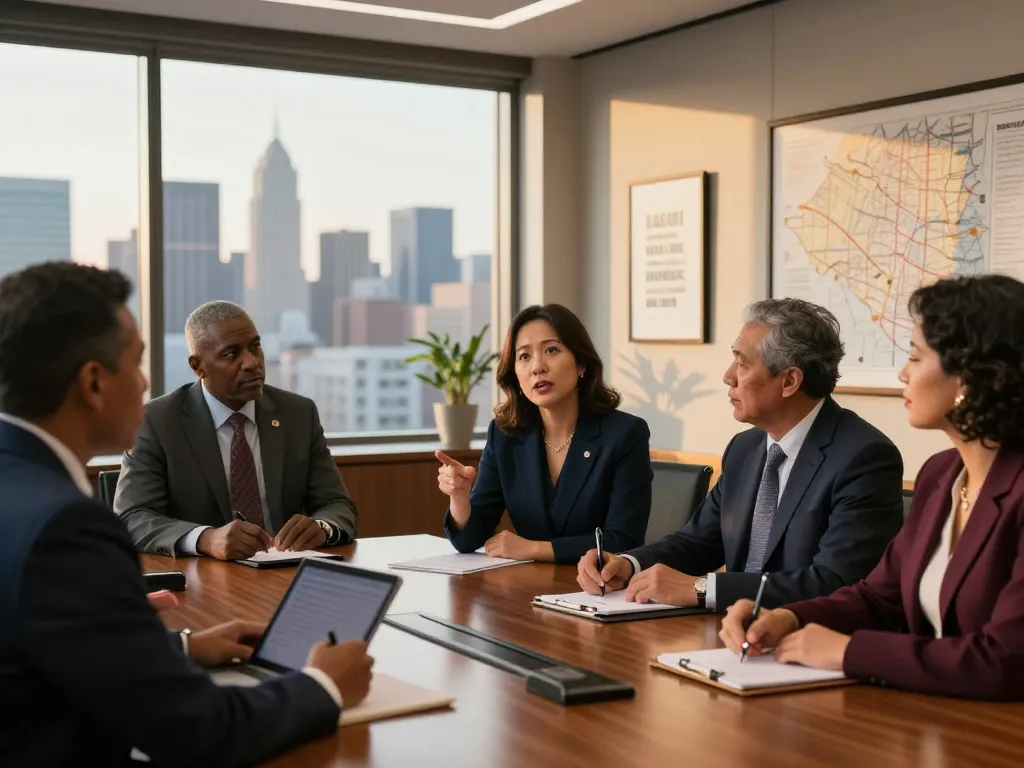

Understanding Mediation
What is Mediation?
Mediation is a collaborative conflict resolution process where an impartial third party, the mediator, facilitates discussions between disputing parties. The goal of mediation is to help participants reach a mutually acceptable agreement through dialogue and compromise. Unlike arbitration or litigation, mediation is typically a more informal and less adversarial approach, focusing on open communication. The mediator doesn’t decide the outcome but instead guides the parties toward finding their own solutions. Mediation can be applied to various contexts such as family disputes, workplace conflicts, and community disagreements. Engaging in Mediation can save time and costs compared to traditional legal avenues.
Benefits of Mediation
Mediation offers a plethora of benefits making it an attractive option for resolving conflicts. Some key advantages include:
- Cost-Effective: Mediation typically incurs lower costs than litigation or arbitration, as the process is generally faster and avoids extended legal fees.
- Time-Saving: Disputes can often be resolved in a matter of hours or days, rather than months or years typical of court cases.
- Confidentiality: Unlike court proceedings, mediation is private. Discussions and agreements made during mediation cannot be disclosed in later legal actions.
- Control and Empowerment: Participants retain control over the outcome, promoting a sense of empowerment and responsibility for resolutions.
- Preservation of Relationships: Mediation fosters collaborative dialogue which can help maintain or even improve relationships long-term.
Types of Mediation
There are several types of mediation designed to suit different needs and settings:
- Facilitative Mediation: The mediator aids communication between parties without offering opinions. This method encourages self-determination and collaborative solutions.
- Evaluative Mediation: An evaluative mediator assesses the merits of each party’s case and provides feedback or recommendations for settlement. This is often used in legal disputes.
- Transformative Mediation: Focused on changing the way parties communicate and understand each other, this type promotes personal empowerment and recognition of the other party’s perspective.
- Online Mediation: Conducted via virtual platforms, it leverages technology to facilitate discussions, making mediation more accessible across distances.
Key Skills for Mediators
Communication Skills
Effective communication is the cornerstone of successful mediation. Mediators must possess the ability to listen actively, convey understanding, and articulate complex ideas clearly. This involves not only verbal skills but also non-verbal cues—body language, facial expressions, and eye contact play crucial roles in fostering a comfortable environment for dialogue. Furthermore, skilled mediators ask open-ended questions that encourage discussion and exploration of underlying issues.
Emotional Intelligence
A mediator’s ability to perceive, understand, and manage emotions—both their own and those of the participants—is vital in facilitating the mediation process. High emotional intelligence enables mediators to navigate through charged feelings, fostering an atmosphere of safety where participants can express themselves freely. This skill also allows mediators to empathize with the parties involved, helping to de-escalate tensions and move towards resolution.
Problem-Solving Techniques
Mediators must be adept problem solvers, able to identify creative and collaborative solutions to disputes. This involves analyzing the interests of each party, recognizing common ground, and proposing innovative options that satisfy the needs of all involved. A mediator’s problem-solving capability also includes helping parties brainstorm and evaluate potential outcomes, which empowers them to commit to resolutions that may not have been apparent at the outset of mediation.
Steps in the Mediation Process
Preparation for Mediation
Preparation is essential for a successful mediation session. This includes pre-mediation meetings where the mediator can gather information about the dispute and understand each party’s perspective. Setting clear agendas and objectives helps in focusing discussions. Additionally, mediators may encourage parties to prepare by reflecting on their goals and the issues at hand, ensuring that everyone arrives informed and ready to engage in the process.
Conducting the Session
The actual mediation session typically follows a structured format:
- Opening Statement: The mediator starts by explaining the process, setting ground rules, and establishing confidentiality.
- Presentation of Issues: Each party is given a chance to express their viewpoint without interruption, providing context and clarity regarding their positions.
- Facilitated Discussion: The mediator guides the discussion, fostering dialogue, and helping parties to explore interests and options.
- Negotiation Phase: As parties begin to interact, the mediator assists in identifying common ground and negotiating terms for settlement.
- Wrap-Up: If resolution is reached, the mediator helps formalize the agreement, summarizing key points for clarity.
Closure and Agreement
Closure in mediation signifies not just the end of the session but also the formalization of the agreement reached. This can involve drafting a written agreement that outlines the terms negotiated. Both parties should review this document to ensure mutual understanding and compliance. Follow-up meetings may also be scheduled to implement the agreement and address any further issues.
Challenges in Mediation
Common Obstacles Faced
While mediation can be highly effective, certain challenges may arise:
- Strong Emotions: Anger, resentment, and fear can inhibit effective communication and blockage compromise.
- Power Imbalances: Significant disparities in power between parties can lead to one party feeling intimidated and less likely to agree.
- Lack of Trust: Historical grievances or negative past interactions may create an atmosphere of distrust, complicating negotiations.
- Unrealistic Expectations: Parties may have preconceived notions of what a resolution should look like, hindering flexibility and open-mindedness.
Strategies to Overcome Challenges
Mediators can employ various strategies to navigate these challenges effectively:
- Establish Ground Rules: Setting clear guidelines can help manage emotions and maintain respectful communication.
- Adjust for Power Imbalances: Mediators can facilitate conversations in ways that empower less dominant parties, ensuring their voices are heard without intimidation.
- Build Trust: Creating rapport through empathy, reassurance, and transparency can mitigate distrust and foster a collaborative atmosphere.
- Encourage Flexibility: Reminding parties that solutions need not match their initial expectations can open pathways to creative resolutions.
Case Studies of Successful Mediation
Examining case studies can illustrate the effectiveness of mediation in real-world scenarios. One notable example involves a community dispute over a redevelopment project. Initial meetings were marked by heated exchanges. However, through the application of facilitative mediation techniques, parties were gradually able to express their interests and concerns, resulting in a compromise that satisfied both developers and residents. This outcome not only resolved the immediate conflict but also laid the groundwork for ongoing dialogue, illustrating mediation’s potential as a catalyst for long-term relationships.
FAQs about Mediation
What are the typical costs of mediation?
Mediation costs vary, generally including the mediator’s fees and materials. Hourly rates typically range from $100 to $300, depending on the mediator’s qualifications and the complexity of the case.
How long does a mediation session last?
Sessions typically last from one to three hours, depending on the issues’ complexity and the participants’ needs. Longer or multiple sessions may be necessary for intricate disputes.
Is mediation legally binding?
Agreements reached in mediation become legally binding when documented and signed by all parties. Always consult a lawyer to confirm enforceability in your jurisdiction.
Can mediation be conducted online?
Yes, many mediations are now conducted online using video conferencing platforms, making the process more accessible regardless of physical location.
What types of disputes can be resolved through mediation?
Mediation effectively resolves various disputes, including family issues, workplace conflicts, commercial disagreements, and community disputes, catering to diverse needs.