
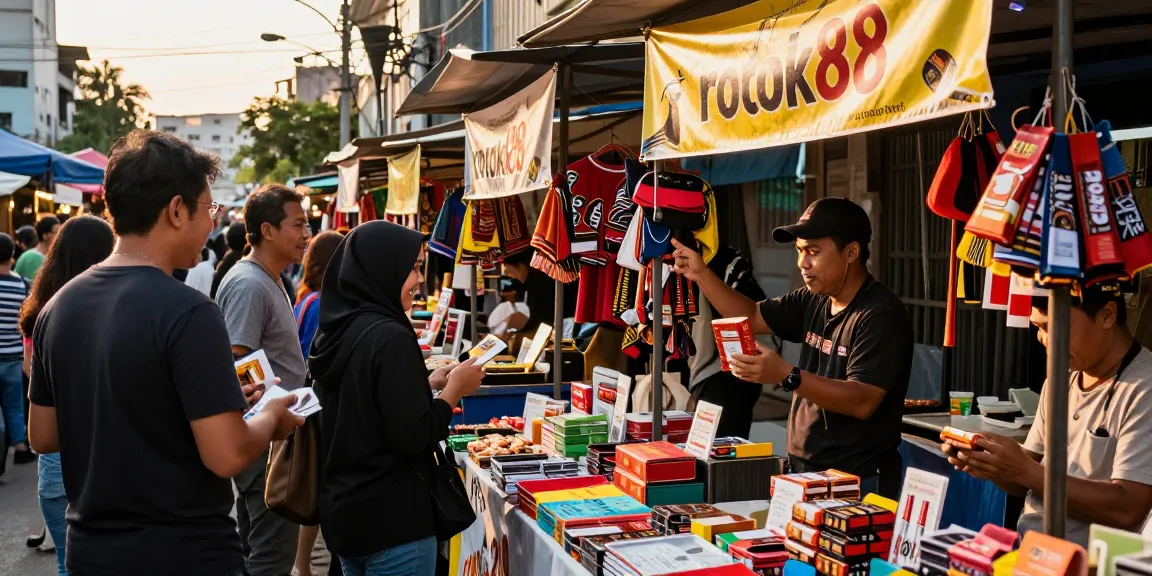
The Changing Landscape of Smoking Culture in 2026
As we navigate through 2026, the smoking culture has undergone a significant transformation, influenced by shifting perceptions and emerging trends. Contemporary smokers are no longer confined to the traditional ways of enjoying tobacco; instead, they are embracing new products that resonate with broader societal changes. This evolution reflects not only a change in product offerings but also a shift in the very attitudes towards smoking itself. Brands like rokok88 are leading this charge, playing a pivotal role in reshaping how smoking is perceived in modern society.
Understanding Contemporary Attitudes Towards Smoking
Today’s smokers are a diverse group, influenced by various factors including health awareness, lifestyle choices, and cultural shifts. Research shows that the stigma surrounding smoking has decreased among certain demographics, particularly among younger adults. These individuals often view smoking as a personal choice rather than a public health threat. This change is partly due to the rise of reduced-risk products, such as e-cigarettes and heated tobacco products, which are marketed as safer alternatives.
How Brands Like Rokok88 Reshape Perceptions
Brands like rokok88 have been instrumental in redefining smoking culture by focusing on quality, flavor, and lifestyle branding. Their marketing strategies emphasize a sophisticated image, appealing to a demographic that prioritizes experience over traditional notions of smoking. These brands connect with consumers through engaging storytelling and authentic messaging, positioning smoking as a choice of the discerning individual.
Comparative Analysis with Previous Decades
In contrast to the smoking culture of the 1980s and 1990s, which was often glamorized in media, the current landscape is more nuanced. The backlash against smoking, fueled by health campaigns and regulations, has softened. In the past, smoking was associated with rebellion and allure; today, it is increasingly framed through the lens of personal freedom and choice. This evolution is evident in how products are marketed, with an emphasis on lifestyle and enjoyment rather than mere habit.
Health Implications of New Smoking Products
As the smoking landscape evolves, so do the health implications associated with new products. While traditional cigarettes are known for their health risks, newer alternatives are entering the market. Understanding these implications is crucial for consumers and health professionals alike.
Research on Reduced Harm Alternatives
Numerous studies have explored the health effects of reduced harm alternatives, such as vaping and nicotine pouches. Research indicates that while these products may reduce exposure to some harmful substances, they are not entirely risk-free. It is essential for consumers to remain informed about the latest findings to make educated choices regarding their smoking habits.
The Impact of Regulation on Consumer Choices
Government regulations play a significant role in shaping the market for smoking products. Recent legislation aimed at protecting public health has led to increased scrutiny of product ingredients and marketing tactics. As regulations tighten, brands must adapt their strategies while still appealing to consumers who seek innovative smoking experiences.
Addressing Myths and Misconceptions
Many misunderstandings about new smoking products persist. For instance, some consumers mistakenly believe that all vaping products are completely safe. Addressing these misconceptions through education and transparent marketing is vital for fostering a responsible smoking culture.
Marketing Strategies for Modern Smoking Brands
To thrive in the current marketplace, modern smoking brands must adopt innovative marketing strategies that resonate with consumers. Engaging narratives and community-focused initiatives are central to capturing interest and loyalty.
Building a Brand Identity Around Rokok88
The identity of a smoking brand like rokok88 is crafted through an understanding of its target audience and their values. By emphasizing quality, craftsmanship, and lifestyle, brands can differentiate themselves in a crowded market. Engaging consumers through storytelling, whether via social media or experiential marketing, helps build a deep emotional connection.
Social Media Influence on Smoking Trends
Social media has revolutionized how brands connect with consumers. Platforms like Instagram and TikTok serve as powerful marketing tools for smoking brands, allowing them to showcase their products in a lifestyle context. User-generated content and influencer partnerships can dramatically elevate brand visibility and consumer engagement.
Event Marketing: Engaging Smokers in 2026
Hosting events provides an opportunity for brands to engage directly with their audience. Whether through pop-up experiences or sponsorship of lifestyle events, effective event marketing can create memorable experiences that foster brand loyalty. These engagements also serve to normalize smoking in a controlled environment, blending social interaction with product education.
Consumer Behavior and Demographic Shifts
The demographic landscape of smokers is continually shifting, with younger adults leading the change in product preferences. Understanding these shifts is vital for brands looking to connect with their audience.
Young Adults and Their Smoking Preferences
Young adults today are more inclined to explore diverse smoking options, integrating products like vaping and flavored tobacco into their lifestyles. Social acceptance of these products varies widely, with many young smokers seeking out brands that reflect their values and identities. This shift highlights the need for brands to remain responsive to evolving tastes and preferences.
How Cultural Influences Shape Smoking Choices
Cultural influences play a crucial role in shaping smoking choices. The portrayal of smoking in media and popular culture can impact perceptions and acceptance. Brands that align themselves with current cultural trends may find increased relevance among consumers, especially in the young adult demographic.
Insights into Female Smoking Trends
Female smokers represent a significant market segment, with unique preferences and behaviors. Increased female participation in smoking culture has prompted brands to tailor their marketing strategies to address the needs and interests of women. This includes promoting product lines that emphasize elegance and sophistication, resonating with the modern female smoker's lifestyle.
The Future of Smoking and Emerging Trends
Looking ahead, the smoking industry is poised for continued transformation, influenced by technological advancements and consumer expectations. Understanding these trends will be pivotal for stakeholders in the industry.
Technological Innovations in Cigarettes
Recent technological innovations promise to enhance the smoking experience, from smart cigarettes that monitor consumption to sophisticated delivery systems that optimize flavor and nicotine delivery. These advancements not only cater to consumer preferences but also aim to mitigate health risks associated with traditional smoking methods.
Predictions for the Smoking Industry by 2030
By 2030, the smoking industry may see a blending of technology and sustainability in product development. Increased awareness of environmental issues is driving brands to adopt more sustainable practices while appealing to eco-conscious consumers. The demand for transparency and ethical sourcing will likely shape product offerings in the years to come.
Environmental Considerations and Sustainable Practices
As consumers become more aware of environmental impacts, smoking brands must prioritize sustainable practices. From biodegradable packaging to responsible sourcing of tobacco, adopting eco-friendly measures will be crucial for brands looking to thrive in the future. This transition not only meets consumer demand but also presents an opportunity for brands to lead by example in the industry.
What Are the Health Risks Associated with Rokok88?
While brands like rokok88 cater to modern tastes, it’s crucial to understand the associated health risks. Users should be aware of the potential for addiction and other health consequences linked to tobacco use. Engaging with healthcare professionals and utilizing reliable resources can provide valuable insights into making informed choices.
How Has Smoking Culture Changed Over the Years?
Smoking culture has evolved dramatically, transitioning from a social norm to a more nuanced personal choice. This evolution is characterized by shifting demographics, increased health awareness, and the emergence of diverse tobacco products. Understanding these changes helps brands better connect with consumers.
What Are the Best Practices for Responsible Smoking?
Responsible smoking practices include moderation, awareness of health risks, and respectful behavior towards non-smokers. Brands can play a role in promoting these practices through informed marketing and community engagement initiatives.
Can Smoking Ever Be Considered Socially Acceptable?
The social acceptability of smoking varies across cultures and communities. While smoking may regain some acceptance among certain demographics, brands need to navigate this sensitive terrain carefully, promoting smoking as a personal choice while also acknowledging public health perspectives.
What Innovations Are on the Horizon for Smoking Products?
Innovation in smoking products is expected to continue, with advancements in technology and consumer preferences shaping the landscape. Brands are likely to explore new flavor profiles, product formats, and delivery systems that cater to evolving tastes and health concerns.