Understanding Loyalty Software
In today's competitive business landscape, small enterprises often find it challenging to retain customers and encourage repeat visits. This is where loyalty software steps in, serving as a vital tool that helps businesses develop, manage, and analyze loyalty programs effectively. By utilizing a loyalty software, businesses can foster customer engagement, enhance satisfaction, and ultimately drive growth.
What is Loyalty Software and Why it Matters
Loyalty software is a digital solution designed to assist businesses in creating and maintaining customer loyalty programs. These programs reward customers for their repetitive engagement, encouraging them to return regularly. By implementing such software, businesses can increase customer retention rates, which is critical in a market where acquiring new customers can often cost five to seven times more than retaining existing ones. Moreover, loyalty programs enable businesses to collect valuable data on customer behavior, which can inform marketing strategies and improve overall customer experiences.
Key Features to Look for in 2026
As you evaluate loyalty software options, consider these essential features:
- User-Friendly Interface: The software should be easy for both staff and customers to navigate, enhancing the overall experience.
- Customization Options: Look for solutions that allow you to tailor reward structures and branding to align with your business goals.
- Data Analytics: Robust analytics tools can help businesses track customer engagement and the effectiveness of various promotions.
- Integration Capabilities: The ability to integrate with existing systems, such as CRM tools and payment processors, is crucial for seamless operations.
- Mobile Accessibility: A mobile-friendly platform ensures customers can access their rewards conveniently, enhancing engagement.
Common Misconceptions About Loyalty Programs
Many small business owners hold misconceptions that can hinder their loyalty program's success. A common belief is that only large businesses can afford sophisticated loyalty programs. In reality, loyalty software is scalable and can be tailored to fit the budget and needs of small businesses. Another misconception is that loyalty programs are only about discounts and free items. Effective loyalty programs can foster deeper customer relationships through personalized experiences and exclusive offers, which can enhance brand loyalty beyond just monetary incentives.
Benefits of Implementing a Loyalty Program
Boosting Customer Retention with Loyalty Software
Implementing a loyalty program brings numerous benefits, with customer retention being paramount. According to studies, businesses with loyalty programs can see retention rates increase by 5-10%. This improvement is often linked to the emotional connection customers develop with the brand through engaging loyalty initiatives. By recognizing and rewarding customer loyalty, businesses can enhance customer satisfaction and drive long-term patronage.
Increasing Sales and Engagement: Real-World Examples
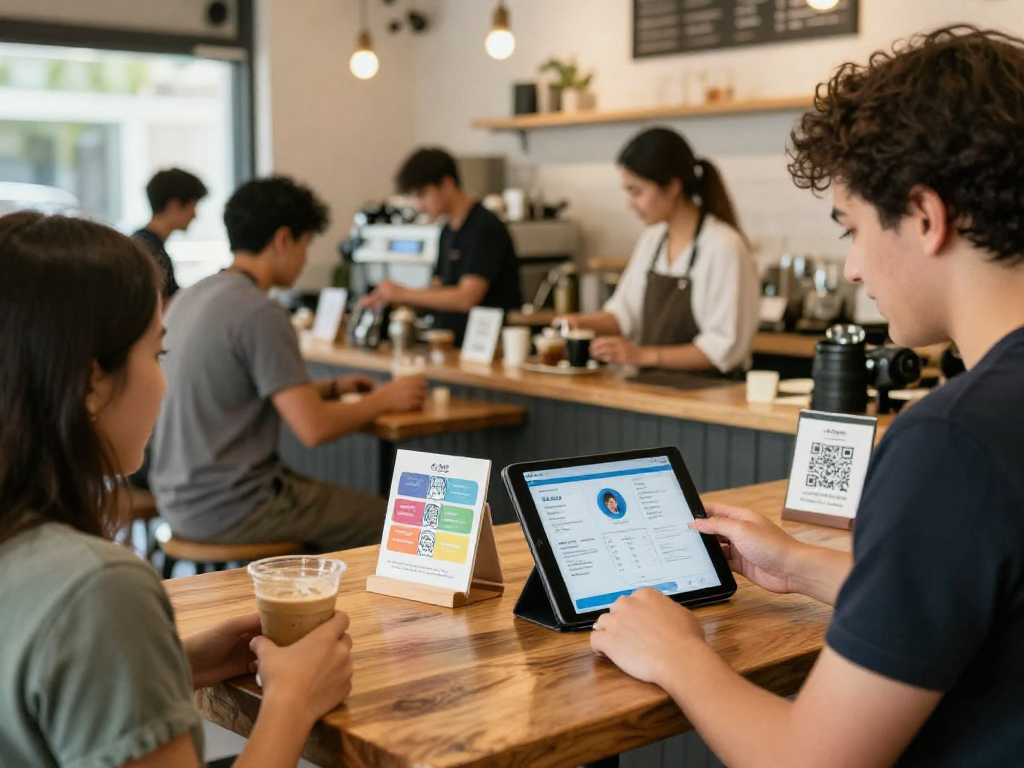
Many small businesses have successfully leveraged loyalty programs to boost sales. For instance, a local coffee shop introduced a digital stamp card system using loyalty software. Customers received a stamp for every purchased coffee, and after ten stamps, they earned a free beverage. This straightforward incentive not only increased repeat visits but also generated word-of-mouth referrals as satisfied customers shared their experiences with friends and family.
How Loyalty Programs Enhance Customer Relationships
Beyond financial rewards, loyalty programs cultivate stronger customer relationships. They provide a platform for businesses to engage with customers on a personal level, tailoring promotions to individual preferences. This personalization can take the form of birthday rewards, exclusive discounts based on past purchases, or even targeted marketing campaigns that resonate with customer interests. Such strategies help customers feel valued and understood, fostering loyalty that goes beyond mere transactions.
Choosing the Right Loyalty Program Structure
Exploring Different Types of Loyalty Programs
When designing a loyalty program, it's crucial to understand the various types available. Common structures include:
- Points-Based Systems: Customers earn points for every purchase, which they can later redeem for rewards.
- Tiered Programs: Customers achieve different status levels based on their spending, unlocking exclusive rewards and experiences at each level.
- Referral Programs: Encourage existing customers to refer new customers, rewarding both parties when the referral makes a purchase.
- Subscription Models: Customers pay a fee for exclusive access to benefits, which can create a consistent revenue stream.
Choosing Between Digital and Traditional Loyalty Options
Businesses must decide between traditional paper loyalty cards and modern digital solutions. Digital loyalty systems are increasingly favored due to their convenience and capability for real-time data tracking. Customers appreciate having their rewards accessible on their mobile devices, eliminating the risk of losing physical cards. Additionally, digital platforms can automate communications, such as sending reminders or birthday bonuses, keeping the brand top of mind.
Customizing Your Program for Maximum Impact
To ensure the success of a loyalty program, customization is key. Businesses should tailor their offerings based on their target audience's preferences. For instance, a restaurant might offer a reward for customer birthdays, while a retail store could provide discounts on frequently purchased items. By aligning rewards with customer needs and expectations, businesses can increase the odds of program engagement.
Implementation Best Practices
Steps to Launch Your Loyalty Program Successfully
Launching a loyalty program involves careful planning. Here are key steps to consider:
- Define Your Goals: Understand what you want to achieve with your loyalty program, whether it's increased visits, higher spend per visit, or customer retention.
- Choose Your Software: Select a loyalty software that aligns with your goals and provides the features necessary for your program's success.
- Design the Program Structure: Outline how customers will earn and redeem rewards, ensuring clarity and ease of use.
- Promote Your Program: Utilize various marketing channels, including social media, in-store signage, and email campaigns to spread the word.
- Monitor and Adjust: Use analytics to track engagement and adjust strategies as needed to optimize performance.
Utilizing Data Analytics to Track Performance
Data analytics plays a crucial role in measuring the effectiveness of a loyalty program. By monitoring key metrics such as enrollment rates, redemption rates, and customer engagement levels, businesses can identify areas for improvement. This data can inform future marketing strategies and help refine the loyalty program to better meet customer needs.
Avoiding Common Mistakes in Loyalty Programs
To maximize the chances of success, small businesses should avoid several common pitfalls. One such mistake is failing to communicate the program effectively. If customers are unaware of how the program works, they are less likely to participate. Additionally, overcomplicating the reward structure can confuse customers. Simplicity is key; a straightforward, intuitive program encourages participation and retention.
The Future of Loyalty Software
Emerging Trends and Technologies for 2026
As we look towards 2026, loyalty software is expected to evolve significantly. Trends such as personalization through artificial intelligence and machine learning will allow businesses to analyze customer behavior patterns more effectively, enabling even more tailored rewards. Additionally, the integration of blockchain technology will enhance transparency in tracking rewards, fostering trust between businesses and customers.
Integrating Loyalty Programs with E-commerce Strategies
In recent years, e-commerce has become increasingly vital, and loyalty programs must adapt accordingly. Businesses should consider integrating loyalty offerings directly into their online shopping experiences, allowing customers to earn rewards seamlessly while making purchases. This integration can also extend to social media, where brands can encourage engagement through loyalty incentives for sharing content or participating in online events.
Preparing for Changes in Consumer Behavior
As consumer behavior continues to evolve, so should loyalty programs. With the rise of mobile payment options and emphasis on contactless transactions, businesses must ensure their loyalty solutions accommodate these trends. Additionally, as sustainability becomes a more significant concern, implementing eco-friendly practices within loyalty programs can resonate with consumers and foster loyalty based on shared values.
What Metrics Can You Use to Measure Success?
To determine the success of your loyalty program, utilize a variety of metrics. Key performance indicators (KPIs) to track include:
- Enrollment Rate: The percentage of customers who join the loyalty program compared to total customers.
- Redemption Rate: The proportion of earned rewards that are redeemed, indicating program effectiveness.
- Customer Lifetime Value (CLV): A measure of the total revenue a customer is expected to generate during their lifetime.
- Frequency of Purchase: Tracking how often loyalty program members return compared to non-members.
FAQs on Loyalty Software Implementation and Effectiveness
As businesses consider implementing loyalty software, they often have questions. Common inquiries include concerns about the initial costs, ease of use, and integration with existing systems. Addressing these FAQs can help alleviate concerns and encourage businesses to embrace loyalty solutions.
Insights from Successful Small Businesses Using Loyalty Programs
Many small businesses have shared success stories that highlight the effectiveness of loyalty programs. A local bookstore, for example, reported a 30% increase in repeat customers after launching a tiered loyalty system that rewarded frequent buyers with exclusive author events and discounts. Such insights can inspire other businesses to explore the potential of loyalty programs.
How to Adapt Your Strategy Based on Customer Feedback
Finally, it’s essential for businesses to remain flexible and responsive to customer feedback. For more information, loyalty software offers valuable insights. Regularly soliciting input through surveys or direct communications enables businesses to adapt their loyalty programs to meet changing customer preferences, ensuring ongoing engagement and satisfaction.